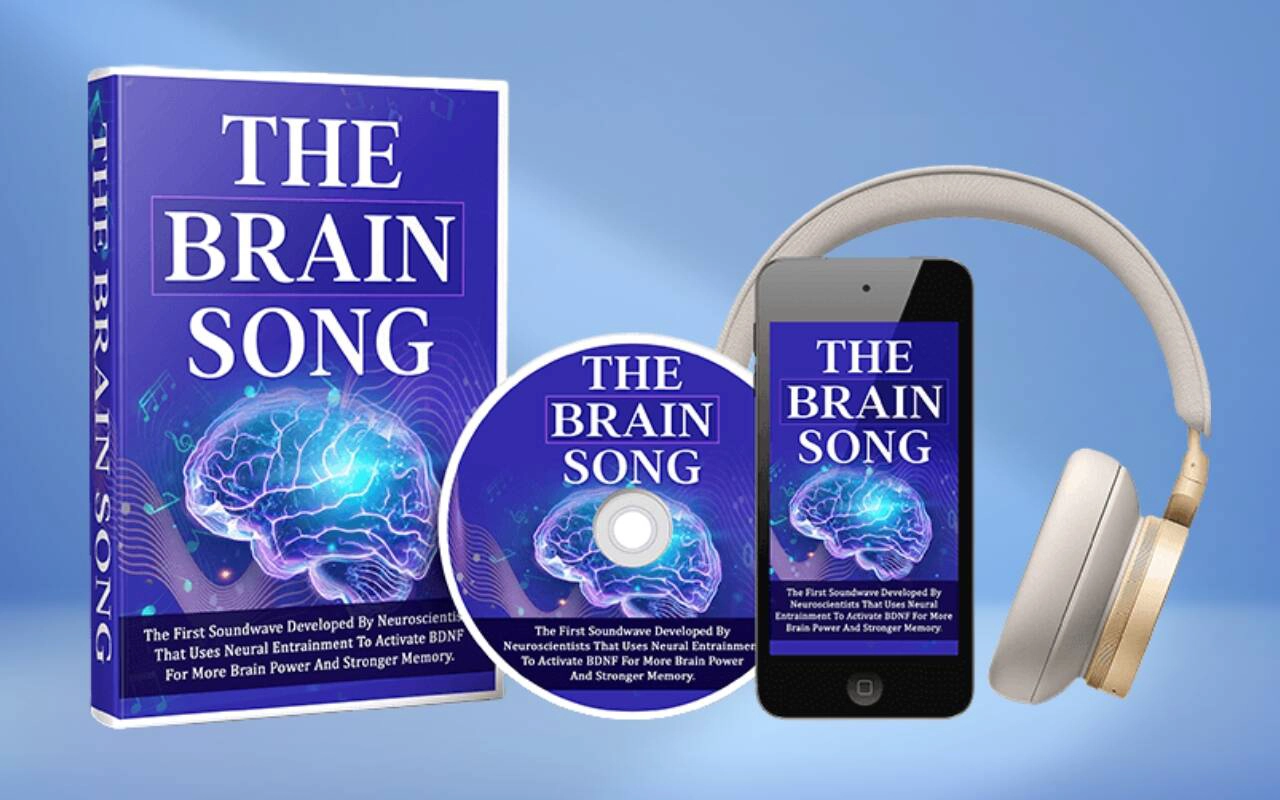
In recent years, the search for better focus, sharper memory, and improved mental performance has expanded far beyond traditional methods like caffeine, supplements, or productivity hacks. One of the more unconventional approaches gaining attention in the digital wellness space is audio-based cognitive training. Among these emerging tools is a program known as The Brain Song, which is often discussed in the context of “brainwave soundtracks” designed to influence attention, clarity, and mental energy.
This article explores the concept behind the brain song boost focus idea in depth—what it claims to do, how it is presented, why people are interested in it, and how it fits into the broader world of cognitive enhancement techniques. The goal is not to exaggerate or dismiss, but to provide a balanced, human understanding of how such a program is framed and why it appeals to so many individuals seeking better concentration in an increasingly distracted world.
Understanding the Idea Behind The Brain Song Boost Focus
The core concept behind The Brain Song boost focus revolves around the idea that sound can influence mental states. This is not a new concept in human history. Music, rhythm, and repetitive sound patterns have long been used in meditation practices, relaxation techniques, and cultural rituals to alter mood and attention.
The Brain Song positions itself within this tradition but modernizes it using digital audio design. It is presented as a short, structured listening session—often around 17 minutes—that uses carefully layered audio frequencies. According to its promotional explanation, these sound patterns are designed to guide the brain into states associated with concentration, relaxation, and mental clarity.
The central promise tied to the brain song boost focus is simple: by listening to specific sound patterns regularly, users may experience improved attention span, reduced mental fatigue, and better cognitive performance during daily tasks.
While these claims are widely discussed in marketing material, it is important to understand them as theoretical or proposed effects rather than guaranteed outcomes.
Why Focus Is So Hard in the Modern World
To understand why a product like The Brain Song attracts attention, it helps to look at the problem it is trying to address: declining focus in the digital age.
Modern life is filled with interruptions—social media notifications, constant messaging, fast-paced work environments, and information overload. Many people report difficulty staying concentrated on a single task for long periods. Even students and professionals who are highly motivated often find their attention fragmented.
This widespread challenge has created demand for tools that promise to restore mental clarity. The idea of the brain song boost focus appeals because it offers something simple: no complex routines, no physical effort, and no major lifestyle changes. Just listening.
In a world where attention has become one of the most valuable resources, anything that promises to support focus naturally draws interest.
How The Brain Song Is Said to Work
The Brain Song is typically described as a form of audio-based mental conditioning. The explanation often involves concepts like sound frequency, rhythmic entrainment, and brainwave synchronization.

According to its framework, the human brain produces electrical patterns commonly referred to as brainwaves. These patterns are associated with different mental states such as alertness, relaxation, or deep concentration. The Brain Song claims to use audio signals designed to influence these patterns through repeated exposure.
This idea is often referred to as “entrainment,” meaning that external rhythms may influence internal rhythms. In this context, sound becomes a tool for guiding attention.
Within the marketing narrative of the brain song boost focus, different sound layers are said to encourage the brain to shift into states associated with productivity and learning. For example, calmer tones may support relaxation before work, while more rhythmic patterns may be intended to support alert thinking during tasks.
It is important to note that while sound can influence mood and perception, the degree to which it can directly modify brain activity in predictable ways is still a topic of scientific discussion rather than settled fact.
The Appeal of Audio-Based Focus Training
One of the reasons the brain song boost focus concept resonates with users is accessibility. Unlike many cognitive enhancement methods, audio programs require no special equipment, training, or environment.
A person can listen while sitting at a desk, resting, or preparing for work. This ease of use lowers the barrier to entry significantly. In behavioral terms, the simpler a habit is to adopt, the more likely it is to be repeated.
Another appeal is the passive nature of the experience. Many people struggle to maintain discipline with active techniques such as meditation or structured productivity systems. Listening to audio feels effortless in comparison, which increases adherence.
The idea that improvement can happen simply by listening is psychologically attractive. It reduces the feeling of effort required to improve one’s mental performance, which is a major reason why programs like The Brain Song gain attention.
Focus, Memory, and the Human Brain
To better understand what the brain song boost focus aims to target, it helps to break down what focus actually is.
Focus is not a single function but a combination of several cognitive processes. These include attention control, working memory, mental filtering, and task persistence. When these systems work well together, a person can concentrate effectively for longer periods.
However, focus is influenced by many factors such as sleep quality, stress levels, nutrition, environment, and emotional state. No single intervention can fully control all these variables.
This is why cognitive training tools like The Brain Song are often seen as supportive rather than standalone solutions. They are positioned as part of a broader lifestyle approach to mental performance.
In the context of the brain song boost focus, the idea is that auditory stimulation may help create a mental environment more conducive to concentration, especially when combined with healthy habits.
The Role of Sound in Human Psychology
Sound has a powerful influence on human psychology. Even without structured programs, music can change mood, energy levels, and motivation. Fast-paced music often increases alertness, while slow, rhythmic sounds can promote relaxation.
This natural responsiveness to sound forms the foundation of many audio-based wellness tools.
The Brain Song builds on this principle by attempting to design audio sequences specifically for mental engagement. The idea is that certain sound patterns may help the listener enter a state of flow, where concentration feels smoother and less forced.
From this perspective, the brain song boost focus is less about “forcing” the brain and more about gently guiding attention.
The Experience of Listening
Users of The Brain Song often describe the experience as immersive and calming. Because the audio is typically structured to be continuous and non-disruptive, it is designed not to demand active attention.
Instead, it becomes a background experience that supports mental settling. Many people prefer using it during early morning routines, study sessions, or before starting demanding tasks.
The appeal lies in its simplicity. There is no need to analyze, follow instructions, or engage in complex steps. The listener simply presses play.
In this way, the brain song boost focus becomes more about creating a ritual than performing an exercise.
The Psychology of “Boosting Focus”
The word “boost” plays a powerful role in how people perceive cognitive tools. It suggests enhancement, acceleration, and improvement without effort.
However, real-world focus improvement is usually gradual and influenced by consistency rather than instant changes. While audio programs may support a better mental state, expectations play a significant role in how results are perceived.
When users believe they are engaging in a focus-enhancing activity, they may become more attentive simply due to psychological priming. This is known as the placebo effect in behavioral science, and it can still produce real subjective improvements in attention.
Therefore, part of the appeal of the brain song boost focus may come from both the audio experience itself and the user’s expectation of increased productivity.
Integration Into Daily Life
One of the strengths of The Brain Song concept is its flexibility. It can be integrated into almost any routine without disruption. Some people may use it during study sessions, while others may listen during work preparation or relaxation periods.
This adaptability increases its usability. Unlike structured training programs, it does not require scheduling or dedicated time blocks.
For individuals who struggle with consistency in productivity systems, this passive integration can feel more manageable.
In the broader sense, the brain song boost focus becomes a lifestyle tool rather than a strict program.
Critical Perspective on Cognitive Audio Programs
While audio-based cognitive enhancement is popular, it is also important to maintain a balanced perspective. Scientific evidence on the direct ability of sound frequencies to significantly enhance cognitive ability remains limited and varies depending on the study.
Some research supports the idea that music and rhythmic stimulation can influence mood and attention. However, claims about dramatic increases in brain-derived growth factors or rapid cognitive transformation are often not universally accepted in mainstream neuroscience.
Therefore, it is more accurate to view The Brain Song as a supportive mental wellness tool rather than a guaranteed cognitive upgrade system.
This distinction is important when evaluating expectations around the brain song boost focus.
Why People Continue to Explore Tools Like This
Despite scientific debate, interest in cognitive audio tools continues to grow. This is largely because people are actively searching for non-invasive ways to improve mental performance.
Traditional methods such as medication or stimulants are not suitable or desirable for everyone. As a result, alternative approaches—especially those involving sound, meditation, and mindfulness—remain popular.
The Brain Song fits into this category as a low-effort, non-chemical approach to mental support.
In this context, the brain song boost focus represents a broader cultural trend: the desire for simple solutions to complex cognitive challenges.
Final Thoughts on The Brain Song Boost Focus
The idea behind the brain song boost focus reflects a growing interest in using sound as a tool for mental performance and emotional balance. While claims about dramatic cognitive transformation should be approached with realistic expectations, the underlying principle—using structured audio to support attention and relaxation—has intuitive appeal.
At its core, The Brain Song is positioned as a simple, accessible way to encourage better focus through guided listening. Whether users experience subtle improvements in concentration or simply enjoy a calming audio environment, its value lies in its ease of use and integration into daily life.
In a world filled with distractions, any tool that encourages even a few minutes of mental clarity can feel meaningful. And that is ultimately why programs like this continue to attract attention: they offer a moment of stillness in an otherwise noisy environment.
The concept of the brain song boost focus may not be a miracle solution, but it represents a modern attempt to harness sound, psychology, and routine into something that supports better thinking—one listening session at a time.
Frequently Asked Questions (FAQs)
1. What is The Brain Song?
The Brain Song is a short audio-based program designed to support relaxation, focus, and mental clarity through structured sound patterns. It is typically listened to for around 17 minutes per session.
2. How does The Brain Song boost focus?
It uses specially designed audio rhythms and sound frequencies that aim to help the brain enter calmer, more attentive states. This may support concentration and reduce mental distractions during tasks.
3. How often should I listen to it?
Most users are advised to listen daily, especially before studying, working, or any activity that requires focus. Consistency is considered more important than duration.
4. Can I use it while working or studying?
Yes, many users prefer playing it in the background while studying, working, or reading to create a more focused mental environment.
5. Do I need headphones to use The Brain Song?
Headphones are recommended for a more immersive experience, but speakers can also be used if that is more comfortable.
6. Are the results instant?
Some users report feeling more relaxed or focused quickly, but results can vary depending on the individual, environment, and consistency of use.
7. Is The Brain Song a medical treatment?
No. It is not a medical product and should not be considered a treatment for any medical or psychological condition.
8. Who can use The Brain Song?
It is generally used by students, professionals, creatives, and anyone looking to improve focus, relaxation, or mental clarity.
Read More – Neuro Energizer Reviews