Does the Brain Song Really Work? Truth, Benefits & How It Helps Memory
Does the Brain Song Really Work? The Truth Behind the Viral Memory Technique
If you’ve spent any time online, you’ve probably come across something called the “Brain Song.” It shows up in classrooms, study-tip videos, and even productivity communities. The idea sounds almost too simple: sing a specific pattern, chant, or melody and — supposedly — your brain becomes more focused, more capable of remembering things, and better at learning.
But does the Brain Song really work, or is it just another internet trend that sounds scientific but delivers very little?
Let’s break down where the Brain Song idea comes from, how it’s supposed to work, what the science says, and whether you should actually use it.
What Exactly Is the “Brain Song”?
The term Brain Song isn’t tied to one single, official technique. Instead, it refers to any melodic or rhythmic pattern designed to improve memory, focus, or mental processing.
Different versions exist:
Some teachers use songs to help children memorize facts.
Some viral clips show students singing a tune before taking tests.
Some versions are marketed as “brain-activating frequencies.”
Others focus on chants or rhythmic breathing combined with music.
Despite the variations, the core idea is the same:
Pair information or mental tasks with rhythm, melody, or repetition to make the brain absorb and recall information more effectively.
Even though it sounds simple, there’s real logic behind it.
1. Music Helps With Memory Recall
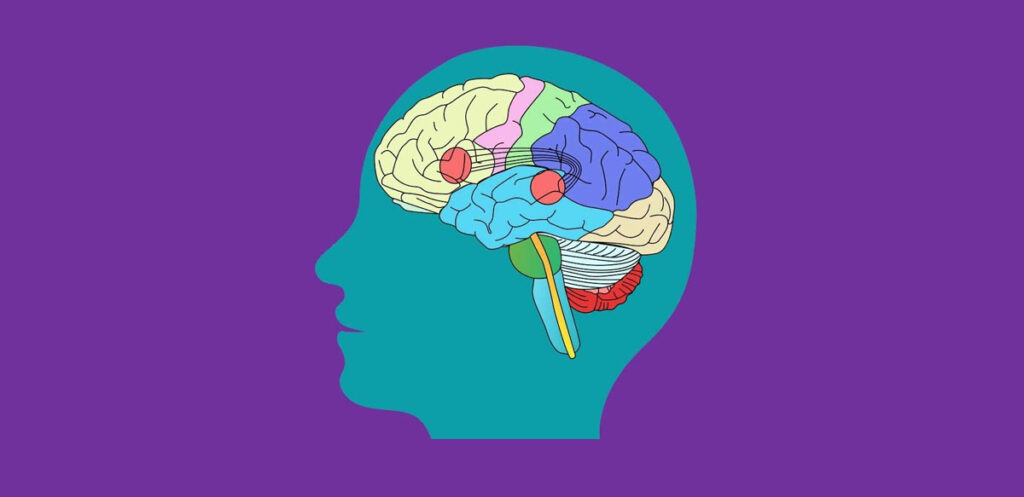
Music activates multiple areas of the brain at once — auditory, motor, emotional, and even long-term memory regions. That’s why people can remember song lyrics from years ago but forget what they read yesterday.
2. Rhythm Helps Structure Information
A rhythm creates “mental anchors.” This improves:
Retention
Speed of recall
Focus under pressure
This is the same principle behind learning the alphabet song as a child.
3. Melody Reduces Cognitive Load
When information is tied to a melody, the brain uses less effort to retrieve it. This frees mental bandwidth for deeper thinking or test-taking.
4. Singing Reduces Stress
Singing triggers:
Slower breathing
Lower cortisol
Increased oxygen flow
Lower stress = better memory and concentration.
So from a neurological standpoint, a Brain Song absolutely could help learning and recall.
Yes, the brain song really works for many people because rhythm and melody activate multiple parts of the brain, improving memory retention, focus, and recall.
2. What is the purpose of the brain song?
The brain song is designed to stimulate the brain through rhythm and repetition, helping learners remember information more easily and enter a focused mental state.
3. Is the brain song scientifically proven?
While the “brain song” itself isn’t an official scientific method, the principles behind it — such as musical mnemonics and rhythm-based learning — are well-supported by research.
4. Who can benefit from the brain song?
Students, language learners, professionals, and anyone who struggles with focus or memory can benefit from using a brain song in their routine.
5. How do you use the brain song effectively?
Keep the song simple, repeat it consistently, and pair it with study sessions or key information you want to remember. Short melodies work best.
6. Can the brain song increase IQ?
No, the brain song does not increase IQ, but it can improve recall, reduce stress, and make learning more efficient.
7. Does the brain song work for adults or only kids?
It works for all ages. Adults often experience improved concentration and mental clarity, while kids benefit from easier memory retention.
8. Can the brain song replace studying?
No — it’s a learning enhancer, not a substitute. It helps you remember and focus, but you still need to engage with the material.
9. How long does it take for the brain song to work?
Most people feel benefits immediately in the form of relaxation and focus, while memory improvements develop with repeated use.
10. Are all versions of the brain song effective?
Effectiveness varies. Personalized or simpler songs tend to work better than complicated ones because the brain remembers them more easily.