A Deep Dive Into the Viral Sleep Method Everyone Is Talking About
Sleep has quietly become one of the biggest struggles of modern life. Millions of people lie awake every night, staring at the ceiling, battling racing thoughts, stress, and restlessness. If you’ve been searching for a natural way to fix your sleep, chances are you’ve come across something called Breathing For Sleep.
It promises something almost unbelievable — falling asleep in just two minutes using a simple breathing and “tongue trick” technique. That’s a bold claim. So naturally, the real question is: Does Breathing For Sleep work, or is it just another overhyped product?
In this detailed Breathing For Sleep review, we’ll break down everything — how it works, what science says, what’s exaggerated, and whether it’s actually worth your time and money.
What Is Breathing For Sleep?
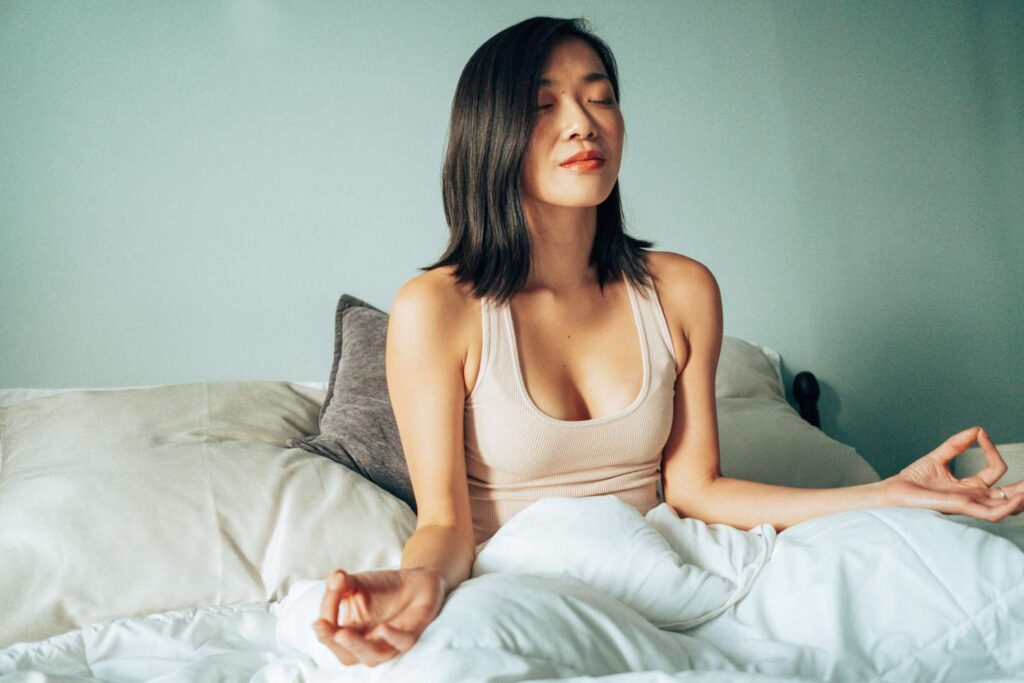
Breathing For Sleep is a digital program designed to help people fall asleep faster and improve sleep quality using guided breathing techniques. At its core, it focuses on relaxing the body, calming the mind, and improving airflow through proper tongue positioning and breathing patterns.
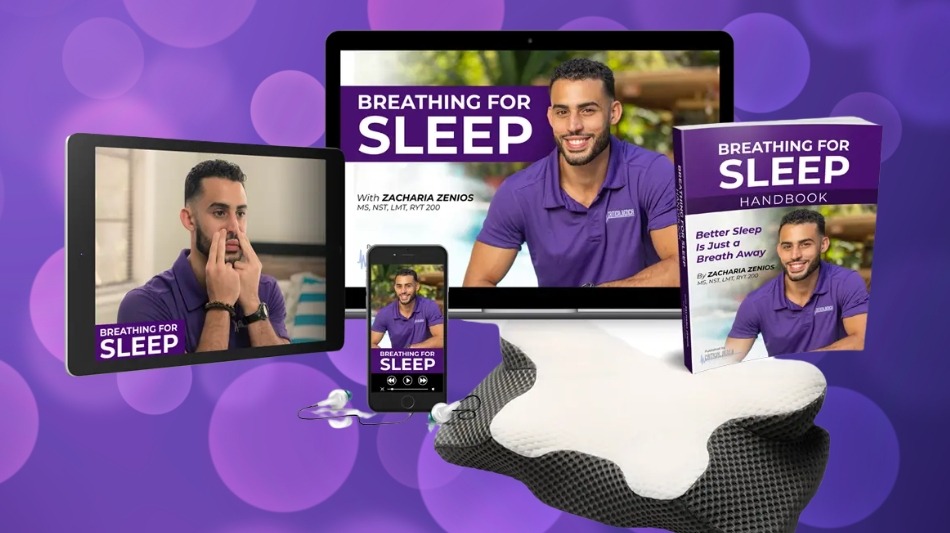
The program includes a coaching video, an audio routine, and a handbook explaining the method in detail. The central idea is that your breathing — especially how your tongue rests and how air flows — plays a major role in how easily you fall asleep.
Unlike sleeping pills or supplements, this method claims to work naturally by targeting your body’s internal relaxation mechanisms.
Why Sleep Problems Are So Common Today
Before understanding whether Breathing For Sleep works, it’s important to understand why sleep has become such a widespread issue.
Modern lifestyles are not designed for good sleep. Stress, screen exposure, irregular schedules, and poor habits disrupt the body’s natural rhythm. Your brain stays active long after you get into bed, making it difficult to “switch off.”
One of the biggest contributors is overstimulation. When your mind is constantly processing information, it struggles to transition into a relaxed state. This is why many people feel physically tired but mentally wired at night.
Another major factor is breathing. Many people unknowingly breathe through their mouths or have poor breathing patterns, which can affect oxygen flow and trigger subtle stress responses in the body.
This is where Breathing For Sleep positions itself as a solution.
The Core Idea Behind Breathing For Sleep
The program revolves around a simple but powerful concept: your breathing controls your nervous system.
When you breathe slowly and deeply, your body shifts into a relaxed state. Your heart rate slows down, your muscles loosen, and your brain prepares for sleep. On the other hand, shallow or irregular breathing can keep your body in a state of alertness.
Breathing For Sleep also emphasizes the position of the tongue. The idea is that proper tongue placement can help keep your airway open, allowing smoother breathing and better oxygen flow.
This combination of breathing and tongue positioning is said to create the ideal conditions for falling asleep quickly.
Does Breathing For Sleep Work?
This is the most important question, and the answer is not simply yes or no.
The principle behind Breathing For Sleep is legitimate. Breathing exercises have been used for centuries in practices like meditation and yoga to calm the mind and body. Modern science also supports the idea that controlled breathing can activate the parasympathetic nervous system, which is responsible for relaxation.
Many people who practice structured breathing techniques report falling asleep faster and experiencing deeper sleep. So from a scientific standpoint, the foundation of this program makes sense.
However, the claim that you will always fall asleep in 2 minutes is likely exaggerated. Sleep is influenced by many factors including stress levels, environment, lifestyle, and overall health.
What Breathing For Sleep can realistically do is help you relax faster, which increases your chances of falling asleep quickly.
The “2-Minute Sleep” Claim Explained
One of the biggest selling points is the idea that you can fall asleep in just two minutes. This concept is inspired by techniques reportedly used in high-stress environments, where quick sleep is essential.
In reality, falling asleep in two minutes is possible, but it depends on how relaxed and sleep-deprived you are. If your mind is highly active or you’re dealing with anxiety, it may take longer.
The breathing techniques taught in the program can significantly reduce the time it takes to fall asleep, but expecting instant results every single night may set unrealistic expectations.
The Role of Breathing in Sleep Quality
Breathing is one of the most underrated aspects of sleep. Many people overlook how something so simple can have such a powerful effect.
When your breathing is slow and controlled, your brain receives a signal that it’s safe to relax. This reduces the production of stress hormones and promotes a sense of calm.
On the other hand, poor breathing habits can lead to shallow oxygen intake, which may cause restlessness, snoring, and even disrupted sleep cycles.
Breathing For Sleep focuses on correcting these patterns. By improving how you breathe, you create a more stable and relaxed internal environment for sleep.
The “Tongue Trick” – Fact or Hype?
One of the more unusual aspects of the program is the emphasis on a “tongue trick.” The idea is that the position of your tongue can influence airflow and breathing efficiency.
There is some truth to this. Proper tongue posture can help keep the airway open, which may reduce snoring and improve breathing during sleep.
However, the concept of a specific “sleep nerve” that instantly triggers sleep is likely overstated. While tongue position can play a role, it’s not a magical switch that guarantees immediate sleep.
The real benefit comes from combining tongue positioning with proper breathing and relaxation techniques.
What Makes Breathing For Sleep Different?
There are countless sleep solutions available, from supplements to gadgets. What sets Breathing For Sleep apart is its simplicity.
It doesn’t rely on external products or chemicals. Instead, it focuses on training your body to relax naturally. This makes it accessible and easy to practice anywhere.
Another difference is the structured approach. Instead of random advice, the program provides a step-by-step routine that you can follow consistently.
Consistency is key when it comes to improving sleep, and having a clear routine can make a big difference.
The Benefits You Can Expect
If practiced regularly, Breathing For Sleep can offer several benefits.
You may notice that your mind becomes quieter at night, making it easier to fall asleep. Your body may feel more relaxed, reducing tension and restlessness.
Over time, you might also experience deeper and more refreshing sleep. This can lead to improved energy levels, better focus, and a more positive mood during the day.
It’s important to understand that results will vary from person to person. Some people may notice changes quickly, while others may need more time to see improvements.
What the Program Might Be Overstating
While Breathing For Sleep has a solid foundation, some claims are clearly exaggerated.
The idea that you don’t need to adjust your lifestyle at all is misleading. Factors like caffeine intake, screen exposure, and sleep environment still play a significant role in sleep quality.
The promise of instant results for everyone is also unrealistic. Sleep is complex, and no single technique can guarantee immediate success for every individual.
Understanding these limitations helps set realistic expectations and prevents disappointment.
Who Should Try Breathing For Sleep?
Breathing For Sleep is best suited for people who struggle with mild to moderate sleep issues, especially those caused by stress or an overactive mind.
If you find yourself lying awake thinking about your day or worrying about tomorrow, this method can help calm your thoughts.
It’s also a good option for people who prefer natural solutions over medication. Since it doesn’t involve any substances, it’s generally safe for most individuals.
However, if you have severe sleep disorders, it’s important to consult a medical professional.
Realistic Expectations for Results
The key to getting results from Breathing For Sleep is consistency. Like any skill, breathing techniques improve with practice.
You may not experience dramatic changes on the first night, but over time, your body will learn to relax more easily.
Think of it as training your nervous system. The more you practice, the more natural it becomes.
Patience is essential. Expect gradual improvement rather than instant transformation.
Final Verdict: Is Breathing For Sleep Worth It?
So, does Breathing For Sleep work?
The answer is yes — but with realistic expectations.
The program is based on proven principles of breathing and relaxation. It can help you fall asleep faster, reduce stress, and improve overall sleep quality.
However, it’s not a miracle solution. It won’t instantly fix all sleep problems or replace healthy sleep habits.
If you’re looking for a natural, simple, and practical way to improve your sleep, Breathing For Sleep is worth trying. Just remember that real results come from consistency and a balanced approach.
Conclusion: A Simple Tool for Better Sleep
In a world full of complicated solutions, Breathing For Sleep stands out for its simplicity. It reminds us that sometimes, the most effective tools are already within us.
By focusing on your breath and learning how to relax your body, you can take control of your sleep in a natural way.
While it may not live up to every bold claim, it offers something valuable — a practical method to help you unwind and drift into sleep more easily.
And in today’s fast-paced world, that alone can make a meaningful difference.
❓ Frequently Asked Questions (FAQs)
What is Breathing For Sleep?
Breathing For Sleep is a digital program that teaches a guided breathing routine designed to help you relax, improve airflow, and fall asleep faster naturally without medication.
Does Breathing For Sleep really work?
Yes, for many people it can help improve relaxation and reduce the time it takes to fall asleep. However, results vary depending on consistency and individual sleep habits.
How long does it take to see results?
Some users report better sleep on the first night, but most people notice consistent improvements after practicing the routine for a few days to weeks.
Is Breathing For Sleep safe?
Yes, it is completely safe since it uses natural breathing techniques and does not involve pills, supplements, or devices.
Can it help with insomnia?
It may help with mild to moderate insomnia caused by stress or an overactive mind. Severe sleep disorders may require medical advice.
Do I need to stop caffeine or change my lifestyle?
While the program claims you don’t need major changes, combining it with good sleep habits (like reducing screen time) will improve results.
Is this better than melatonin or sleeping pills?
Breathing For Sleep is a natural alternative and avoids side effects. However, it may not work as quickly as medication for everyone.
How is it different from other sleep methods?
It focuses on breathing and relaxation techniques rather than external aids, making it simple and easy to follow daily.