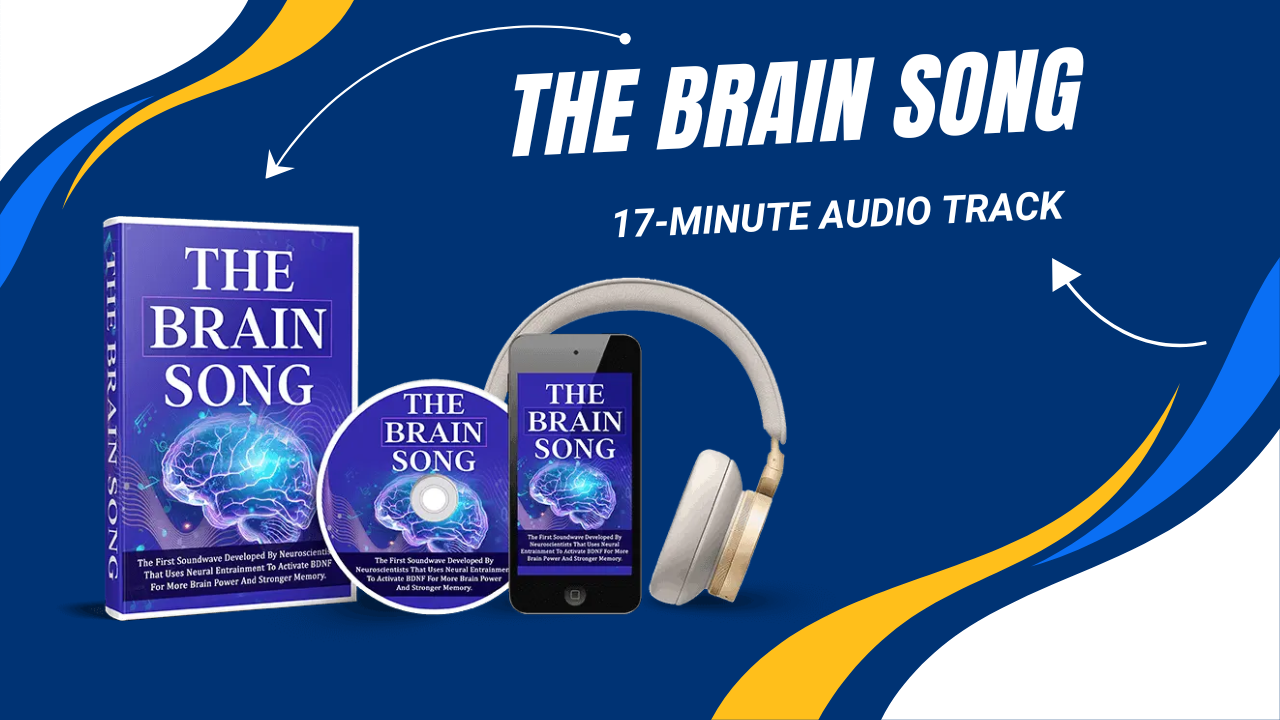
In today’s fast-paced world, many people struggle not only with focus, but also with something deeper—mental energy. It’s that internal fuel that helps you think clearly, stay productive, and push through long hours of work or study without feeling mentally drained. This is where programs like The Brain Song are often discussed, especially in relation to the idea of the brain song mental energy enhancement.
The concept is simple on the surface: a short, structured audio experience that uses sound patterns and frequencies designed to influence mental states. Supporters of this approach believe that listening to specific audio sequences may help the mind shift away from fatigue and into a more alert, energized state. While the science behind these claims is still evolving, the popularity of such tools reflects a growing interest in non-traditional ways to improve mental performance.
Understanding the Idea of Mental Energy
Mental energy is not a physical substance, but rather a combination of cognitive stamina, emotional stability, and attentional capacity. When mental energy is high, tasks feel easier, thinking feels clearer, and motivation is naturally stronger. When it is low, even simple tasks can feel overwhelming.
The promise behind the brain song mental energy concept is that sound-based stimulation may help create a mental environment where fatigue is reduced and alertness is increased. Instead of relying on stimulants or external chemicals, the idea focuses on auditory influence—using sound to guide the brain toward a more energized state.
This is closely tied to the broader field of sound therapy and brainwave entrainment, where rhythmic audio is believed to interact with natural brain activity.
How The Brain Song Is Framed to Support Mental Energy
The Brain Song is typically presented as a short audio program that uses layered sound frequencies. These sounds are structured in a way that may encourage relaxation while simultaneously promoting alertness. This balance is important because mental energy is not just about excitement—it is about controlled focus and sustainable attention.
Within the framework of the brain song mental energy, the audio is designed to help the listener move away from mental fatigue and into a more stable cognitive rhythm. Some users describe it as feeling mentally “refreshed” or “reset” after listening.
The experience is passive, meaning the user does not need to actively engage or perform exercises. They simply listen, often while resting, studying, or preparing for work.
Why Mental Energy Drops in Daily Life
To understand why tools like The Brain Song are attractive, it is important to look at why mental energy declines in the first place. Common causes include poor sleep, long screen exposure, constant multitasking, stress, and information overload.
In modern environments, the brain is rarely allowed to rest completely. Even during breaks, many people continue scrolling, thinking, or switching between tasks. This prevents proper cognitive recovery, which leads to mental fatigue.
The idea behind the brain song mental energy is that structured audio may help interrupt this cycle by guiding the brain into calmer, more stable patterns of activity.
The Role of Sound in Mental Activation
Sound has always played a role in influencing human emotion and attention. Fast rhythms can increase alertness, while slow rhythms can calm the mind. This natural responsiveness forms the foundation of audio-based cognitive tools.
The Brain Song builds on this idea by combining layered tones, rhythmic pulses, and ambient sound textures. These elements are intended to influence mood and attention without requiring active effort from the listener.
From a conceptual standpoint, the brain song mental energy effect is based on the idea that structured sound can help regulate mental state transitions—moving from fatigue to alertness more smoothly.
Mental Energy and Brainwave States
Different mental states are often associated with different brainwave patterns. While this is a simplified explanation of complex neuroscience, it is commonly used in discussions about audio-based cognitive tools.
Calm focus, relaxed awareness, and active concentration are all states that people try to reach when improving mental energy. The Brain Song is often described as targeting these transitions through sound design.
In this context, the brain song mental energy concept suggests that audio cues may help guide the brain into more productive states, especially during periods of tiredness or low motivation.
Why People Use Audio for Energy Instead of Stimulants
Traditionally, people rely on caffeine, energy drinks, or short breaks to restore mental energy. However, these solutions are temporary and sometimes come with side effects like crashes or jitteriness.
Audio-based approaches like The Brain Song are appealing because they are non-invasive and easy to integrate into daily routines. There is no physical intake, no dependency cycle, and no preparation required.
This simplicity makes the brain song mental energy approach attractive to students, professionals, and creatives who want a smoother way to maintain productivity.
The Experience of Listening for Mental Energy
Users who engage with The Brain Song often describe the experience as calming yet subtly activating. Unlike loud or high-energy music, the audio is designed to avoid overstimulation.
Instead, it aims to create a steady mental rhythm. Some users report feeling more alert after listening, while others describe a sense of reduced mental clutter.
The subjective nature of these experiences means results can vary, but the overall intention of the brain song mental energy design is to create a balanced state of calm focus and sustained alertness.
The Psychological Effect of Structured Audio
Beyond the sound itself, psychological expectation plays a role in how people respond to audio programs. When someone believes they are engaging in a focus or energy-enhancing activity, they may become more aware of their mental state.
This increased awareness can sometimes lead to perceived improvements in clarity and energy. In behavioral science, this is often linked to expectation effects and attentional priming.
So, part of the impact of the brain song mental energy experience may come not only from the audio but also from the mindset of the listener.
Integrating The Brain Song Into a Daily Routine
One of the key strengths of The Brain Song is its simplicity of use. It does not require a structured schedule or long time commitment. A short listening session can be easily added before work, during study preparation, or even during breaks.
Many users prefer using it at the start of the day to set a mental tone or during midday fatigue when energy naturally drops.
This flexibility makes the brain song mental energy concept practical for real-world use, especially for people with busy schedules.
Limitations and Realistic Expectations
While audio-based cognitive tools are popular, it is important to maintain realistic expectations. Mental energy is influenced by many biological and lifestyle factors, including sleep quality, nutrition, stress levels, and physical activity.

No audio program can fully replace these foundational elements. Instead, tools like The Brain Song should be viewed as supportive experiences rather than standalone solutions.
From a balanced perspective, the brain song mental energy effect is best understood as a potential enhancer of mental state rather than a guaranteed transformation.
Why the Concept Continues to Gain Attention
Despite scientific debate, interest in sound-based mental tools continues to grow. This is largely because people are searching for simple, accessible ways to improve daily performance without complexity.
The appeal lies in the combination of ease, non-invasiveness, and the possibility of immediate subjective effects like relaxation or focus.
In this sense, the brain song mental energy trend reflects a broader shift toward self-guided cognitive wellness practices that fit modern lifestyles.
Final Thoughts on The Brain Song Mental Energy
The idea behind the brain song mental energy is rooted in a growing interest in using sound as a tool for mental performance and emotional balance. While the scientific evidence for dramatic cognitive changes remains limited, the underlying principle—using structured audio to influence mood and attention—has intuitive and psychological appeal.
For many users, The Brain Song is less about dramatic transformation and more about creating a consistent mental environment that supports clarity and alertness. Whether used for studying, working, or simply resetting after fatigue, it offers a simple way to step away from mental overload.
In a world where mental exhaustion is increasingly common, even small tools that help restore a sense of focus and energy can feel valuable. And that is why the conversation around the brain song mental energy continues to grow—because people are actively searching for easier ways to feel more awake, more focused, and more in control of their minds.
Frequently Asked Questions
1. What is The Brain Song for mental energy?
The Brain Song is an audio-based program designed to support mental clarity, focus, and perceived mental energy through structured sound patterns and rhythmic audio stimulation.
2. How does The Brain Song help mental energy?
It uses layered audio frequencies intended to help the mind shift away from fatigue and into a more alert, focused state, supporting better productivity and cognitive stamina.
3. When should I listen to it?
It is commonly used in the morning, before work or study sessions, or during afternoon fatigue when mental energy tends to drop.
4. How long is each session?
A typical session is around 17 minutes, making it easy to fit into a daily routine without disruption.
5. Can it replace caffeine or supplements?
It is not a replacement for caffeine, nutrition, or sleep. It is best viewed as a supportive audio tool for mental performance.
6. Do I need headphones?
Headphones are recommended for a more immersive listening experience, but speakers can also be used.
7. Is it scientifically proven?
The concept is based on sound and brainwave theories, but results can vary and should be considered supportive rather than guaranteed.
8. Who can use it?
Students, professionals, creatives, and anyone looking for a simple method to support focus and mental energy may use it.